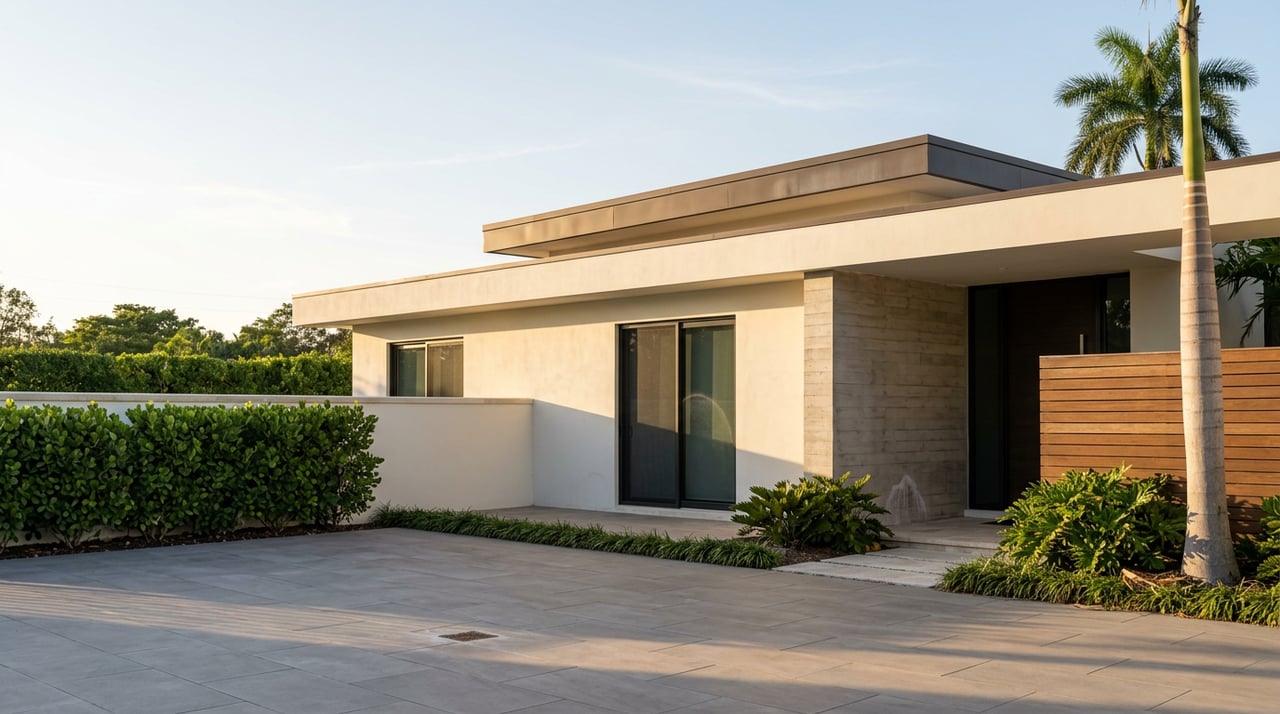
Ask most buyers which price tier moves slower in South Miami-Dade and they will guess the luxury end. More money, fewer qualified buyers, more room to talk a seller down. In Palmetto Bay, closed-sales data reported in LuxLife Miami Blog's June 2026 Palmetto Bay market report, covering the six months leading up to mid-June 2026 shows the pattern running the other way. Homes priced between $2 million and $3 million closed without a single price reduction in that window, with a median of 26 days on market. Homes priced under $1 million needed a price cut just over half the time to find a buyer.
That gap is not a rounding error. It is the shape of the market, and it changes how a seller in Palmetto Bay should think about pricing and how a buyer should think about where the real negotiating room actually lives.
What Six Months of Closed Sales Show
The clearest read comes from the closed sales tracked by the Miami Association of Realtors and compiled in that report, covering roughly the six months prior. Of 134 closed sales in that window, 69 landed in the $1 million to $2 million band, more than half of all activity in the village. Correctly priced homes in that tier closed in 39 days or less. The average, though, was 79 days, and that spread between median and average is the tell: the homes priced right moved in about five weeks, while the ones priced hopefully sat and eventually cut.
Here is how the tiers compare on the two numbers that matter most to a seller deciding what to ask:
| Price Tier | Homes Needing a Price Cut | Time on Market |
|---|---|---|
| Under $1M | 51% | not separately reported |
| $1M – $2M | 43% | Median 39 days, average 79 days |
| $2M – $3M | 0% | Median 26 days |
| Above $3M | too few sales for a reliable rate | 3 of 4 sales averaged 46 days |
Above $3 million, only four homes closed in the full six-month window, too small a sample to calculate a reduction rate with any confidence. But two of those four were new construction on Old Cutler Road, closing at $5.8 million and $6.2 million, at $799 to $934 per square foot. Three more new builds on that same stretch were asking as high as $9.495 million. That corridor is doing something the rest of the village isn't: setting fresh price-per-square-foot benchmarks with almost no resistance.
Why the Top of the Market Doesn't Blink
The mechanism here is simple once you see it. There are only a handful of homes on the market at any given moment above $2 million in Palmetto Bay. When a serious buyer at that level finds one priced correctly, there is no second identical listing to shop against, so the negotiation that happens under $1 million, where a dozen similar four-bedrooms compete for the same buyer pool, simply doesn't happen at the top.
Waterfront adds another layer. As of that same June 2026 report, two Paradise Point listings were pending at $3.499 million and $6.5 million, both above $1,100 per square foot, well ahead of the village median. Buyers shopping that segment aren't comparing against typical Palmetto Bay inventory. They're comparing against a short list of true waterfront comps, most of them outside the village altogether.
The Number That Trips Up Portal Browsers
If you've been watching the headline numbers on the major portals, you may have noticed they seem to disagree with each other, and that disagreement is a direct symptom of the tiered market above. Redfin's site, most recently refreshed in late July 2026, showed the average Palmetto Bay sale price for the prior month at $1.19 million, up 8.7% year over year. But the same page's detailed monthly breakdown hadn't moved past December 2025, where it still showed a median sale price of $980,000, down 12.5% year over year, with homes averaging 94 days on market compared with 80 the year before, and only 27 homes selling that month against 31 a year earlier.
An average pulled up while a median pulled down in roughly the same window is not a contradiction. It's what happens when a handful of high closings, like those new Old Cutler Road builds, drag the average toward the top while the bulk of transactions, weighted toward the price-sensitive tiers under $2 million, drag the median the other way. A buyer or seller reading only one of those two numbers gets a partial, and sometimes misleading, picture of what is actually happening.
An earlier read on the broader market, published by a local brokerage team in January 2026, described a more blended picture: a median sale price near $1.15 million, up about 11% year over year, roughly six months of inventory, a median 42 days to contract, an average 9% discount from asking, and about 12% cash buyers. That snapshot is now more than half a year old and predates the tier-by-tier breakdown above, but it is useful as a baseline for how quickly the underlying story has sharpened since. The blended numbers were never wrong. They just weren't specific enough to tell a seller what to do with their own listing.
Why Buyers Keep Comparing Palmetto Bay to Pinecrest
One more figure explains a lot of the cross-shopping between these two villages. Palmetto Bay's price per square foot runs around $616, against $900 or more in neighboring Pinecrest, for comparable schools, green space, and South Miami-Dade access. Buyers who start their search in Pinecrest and get priced out often end up touring Palmetto Bay instead, and that inflow is part of what keeps the upper tiers here moving as fast as they do. It also means a Palmetto Bay seller at the $2 million mark isn't just competing with the house down the street. They're competing with, and often winning against, the Pinecrest alternative at a much higher price per foot.
What This Means If You're Pricing a Home Right Now
- Under $1 million. Price against the closed comp, not the neighbor's ask. With just over half of this tier needing a cut, an aggressive first number is more likely to cost you weeks than to gain you dollars.
- $1 million to $2 million. This is where accuracy pays the most. Homes priced correctly closed in 39 days or fewer. If a listing drifts toward that 79-day average, treat it as a pricing signal to correct, not a market signal to wait out.
- $2 million to $3 million. Inventory is thin enough that zero homes needed a reduction in six months. A seller here has more room to hold a well-researched number, provided the home is presented and priced right from the first day it hits the market.
- Above $3 million and waterfront. A handful of transactions set the tone for the entire segment. The Old Cutler Road new construction closings and the Paradise Point sales pending as of mid-2026 are the closest comps available, and they matter more than any village-wide average.
A Few Questions Worth Answering Directly
Does this mean I should just list my home higher? No. The zero-reduction pattern in the $2 million to $3 million tier reflects genuine scarcity of comparable inventory, new construction, and waterfront access, not simply higher asking prices. A home priced above what its features support will behave like the sub-$1 million tier regardless of the number on the sign.
What about a home priced right around $1 million? That boundary is where the data gets delicate. The $1 million to $2 million band as a whole includes both the fastest closings in the village and its widest gap between median and average time on market. A home priced just above or below that line needs a comp analysis specific to its exact position, not a village-wide average.
Is this pattern unique to Palmetto Bay? The numbers above are specific to Palmetto Bay's closed sales over this particular six-month window. Neighboring villages may or may not show the same tiering, and that comparison is worth doing property by property rather than assuming the pattern travels.
If you're weighing where your home or your budget actually lands inside these tiers, that's the exact kind of conversation worth having before a listing goes live or an offer goes in. Kelli Farrell has spent nearly three decades pricing and negotiating across South Miami-Dade, and can walk you through where your specific number sits against these current comps. You can also get a home valuation started, or reach out directly to talk through your situation.