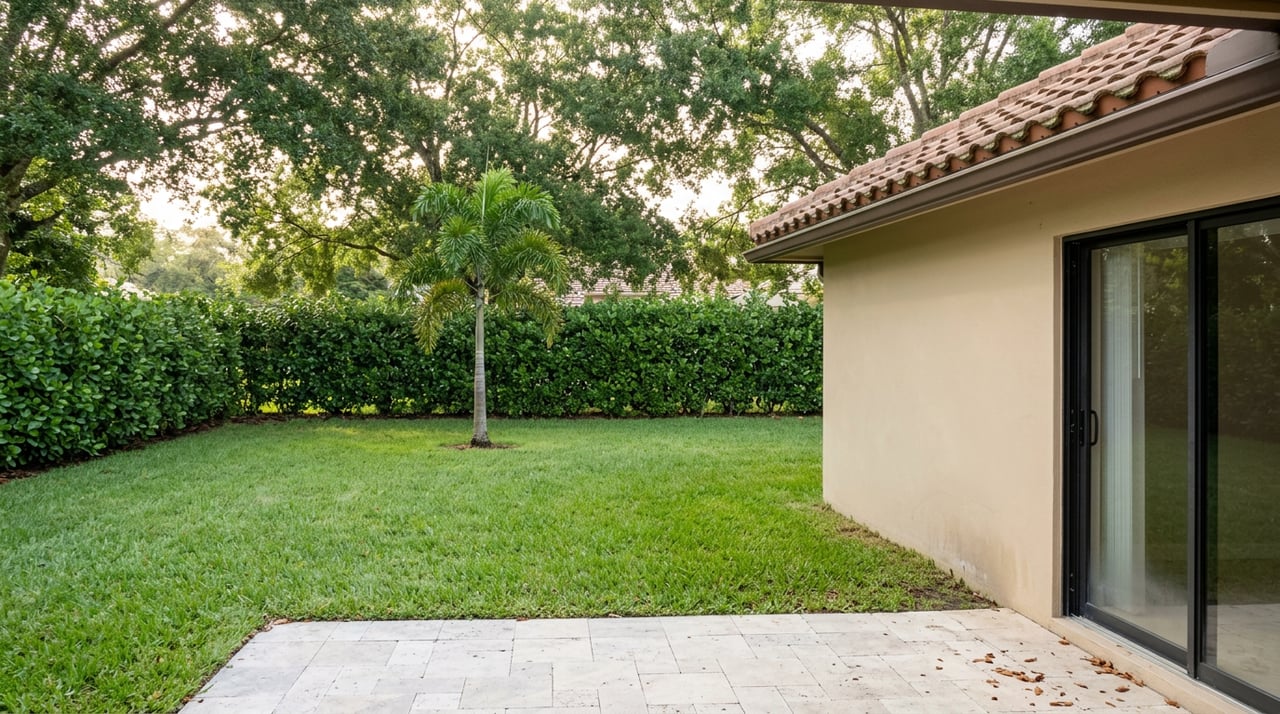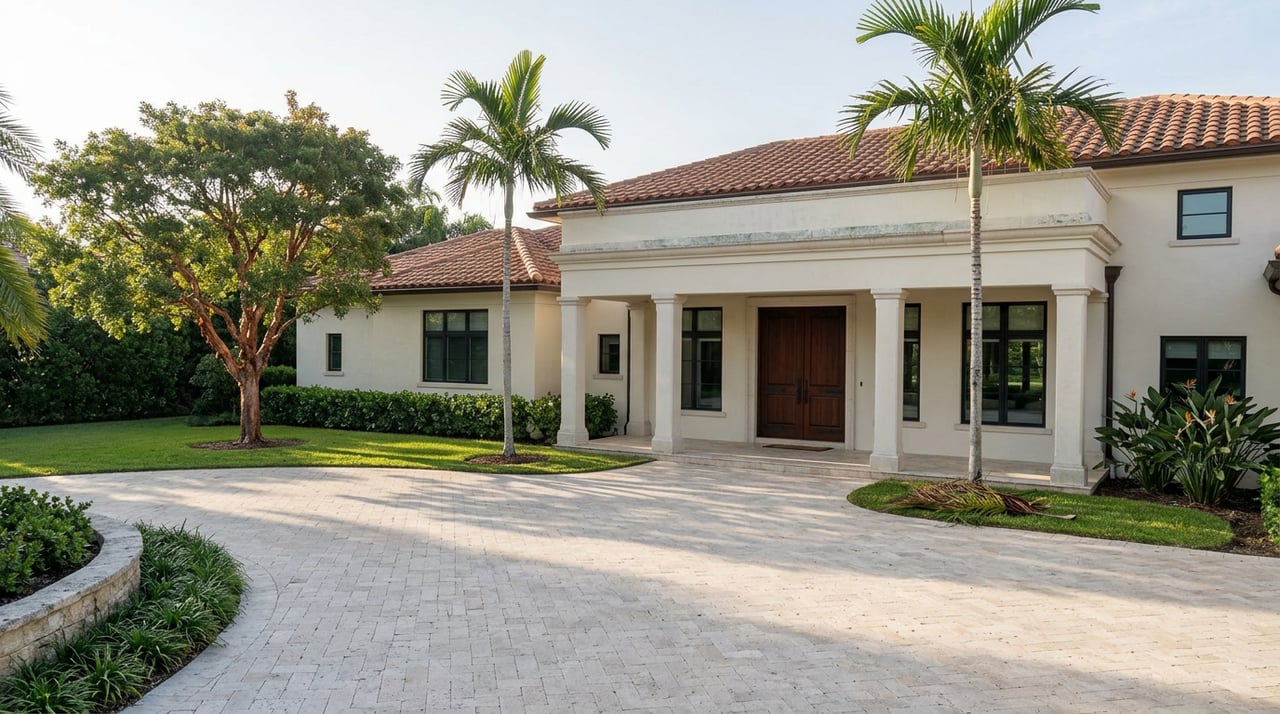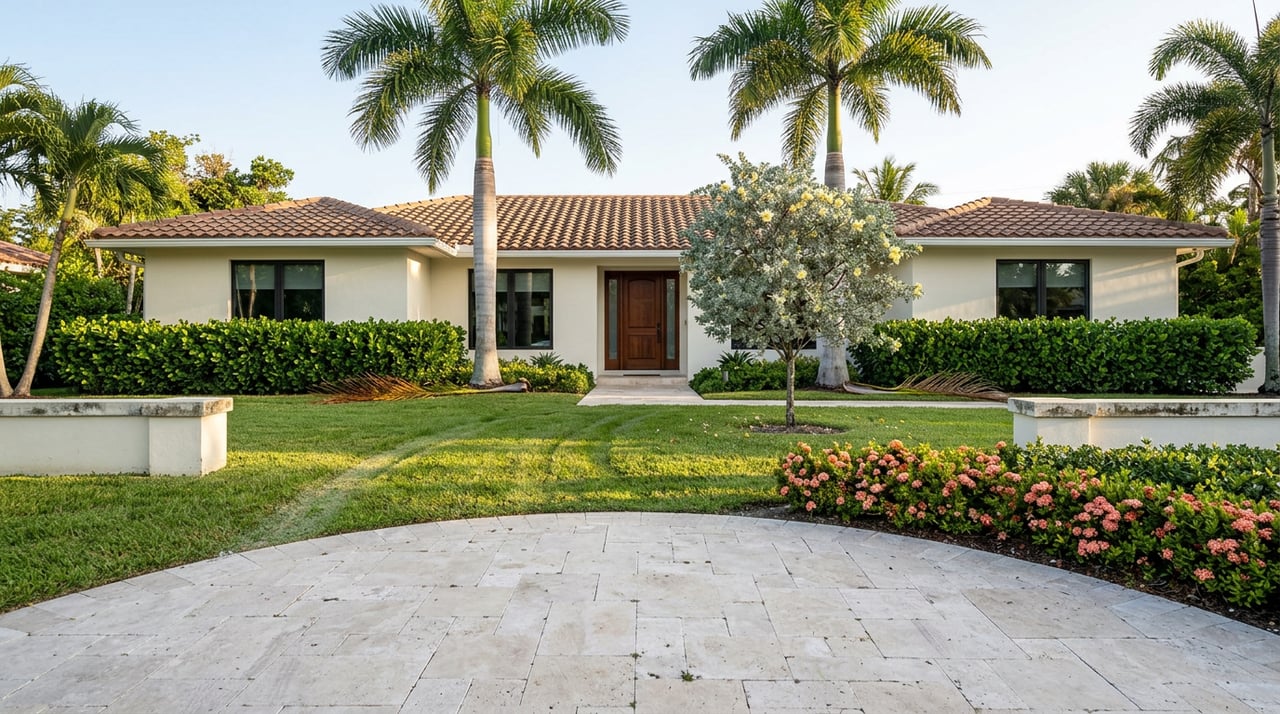
Picture a Palmetto Bay homeowner who spent July replacing a kitchen backsplash, refinishing cabinets, and swapping out flooring in a guest bath. The total came in under $7,500. Under the state's new permitting rules, none of it required a permit. No inspection, no fee, no waiting on a building department. By the letter of the law, the project simply happened.
Now fast forward to December. That homeowner lists the house. A buyer's inspector walks through, notices the fresh finishes, and asks the question every inspector asks about recent work: was this permitted, and is there a record showing it meets code? For the first time in Florida's permitting history, the honest answer for a huge category of home improvement is going to be no, because no permit was required. That is not a loophole. It is the whole point of the law. But it also means the seller is now the only party holding proof that the work was done correctly, and if they didn't think to keep that proof in July, they don't have it in December.
That is the part of Florida's new permit law that hasn't gotten much attention outside legal and building-department circles, and it matters more in Palmetto Bay than the headlines suggest.
What Actually Changed on July 1
The law is House Bill 803, signed by Governor DeSantis on May 6, 2026, and in effect since July 1. The Village of Palmetto Bay posted its own resident notice explaining the change, which is a useful signal on its own: this isn't a state-level abstraction, it's something the Village expects homeowners to act on. The core changes:
- Single-family residential work valued under $7,500 no longer requires a building permit, as long as it skips electrical, plumbing, structural, mechanical, or gas components and the property isn't in a designated flood hazard area.
- Homeowners' associations and architectural review committees can no longer require a government-issued permit as a precondition for reviewing a renovation request. Before July 1, some associations effectively forced owners to pay permit fees and complete a design before the HOA would even look at it. That practice is no longer allowed, though the association can still apply its own aesthetic standards and can still say no.
- Permit review deadlines got shorter across the board. Low-value single-trade work on a single-family home now gets a 5-business-day response. Work reviewed through a private provider gets 10 business days instead of the old 20.
Each piece sounds like the same story: less friction, faster timelines, fewer fees. For a homeowner planning a straightforward refresh, that's accurate. For a seller thinking about resale six or twelve months out, it's only half the story.
The Paperwork Didn't Disappear. It Moved.
Before July 1, a permit did two jobs at once. It let the Village sign off on the work, and it created a public record that any future buyer, inspector, appraiser, or title company could pull. That second function mattered as much as the first, even though nobody thought about it that way at the time.
HB 803 removes the permit requirement for a wide category of work, but it doesn't create any replacement record. The paper trail that used to exist by default now exists only if the homeowner builds it themselves.
Here's the practical shift:
| Before July 1, 2026 | After July 1, 2026 (exempt work) | |
|---|---|---|
| Who creates the record | The Village, via the permit file | The homeowner, if they choose to |
| Where a buyer finds it | Public permit search | Wherever the seller kept their own paperwork |
| What "no open permits" means | No unresolved permit issues | Could mean full compliance, or could mean nothing was ever verified |
That last row is the one worth sitting with. Title companies and lenders have always checked for open permits as a routine step. Under the new law, permit-exempt work will show up exactly the same way as no work at all: no open permits, nothing flagged. The absence of a red flag used to mean something. Now it might just mean the project fell under $7,500 and skipped the system entirely.
For a seller, that's not a problem if the work was done well and the seller has a contract, an invoice, and photos to back it up. It becomes a problem the moment a buyer's inspector asks a direct question and the seller has nothing more specific to offer than "our contractor said it was fine."
Why the Timing Matters in Palmetto Bay Right Now
This would be a smaller concern in a market where homes sell in two weeks with a stack of offers. That isn't the market Palmetto Bay is in this year. Days to contract have been running closer to six weeks, and inventory has grown compared to a year ago, which gives buyers more room to slow down, ask questions, and walk away from ambiguity rather than compete for a listing. We've written more on the broader trend in Understanding the Palmetto Bay Real Estate Market Right Now, but the short version is that buyers currently have leverage they didn't have a couple of years ago, and an inspector's unanswered question is exactly the kind of thing that leverage gets used on.
A seller who renovated under the new exemption and kept nothing to show for it isn't lying to anyone. They just handed a cautious buyer a reason to negotiate, delay, or ask for an inspection contingency they might otherwise have waived.
What the Exemption Doesn't Touch
The $7,500 threshold sounds broad until you look at what it excludes. The exemption does not apply to:
- Electrical work, at any dollar value
- Plumbing work, at any dollar value
- Structural work, at any dollar value
- Mechanical work, at any dollar value
- Gas work, at any dollar value
- Any project on a property that sits partially or entirely within a designated flood hazard area, regardless of cost
In other words, the systems that actually determine whether a house holds up over time, and the properties where building officials have the most reason to want a formal record, are exactly where the old permit process still applies in full. The exemption covers cosmetic and finish work: paint, flooring, cabinetry, drywall. That's genuinely useful for a homeowner refreshing a kitchen before listing. It just isn't the category of work that most affects a home's long-term value or a buyer's confidence.
Palmetto Bay's own resident notice is explicit about the boundary, and it's worth reading directly before starting any project you're unsure about, since the Village, not a contractor or a listing agent, makes the final call on what qualifies.
If You're Renovating Before You List
For anyone in Palmetto Bay planning cosmetic work ahead of a sale, the fix here is simple and doesn't cost anything beyond a little organization:
- Confirm the project actually qualifies before you start. Get the total cost, materials and labor combined, and check it against the $7,500 threshold and the trade exclusions.
- If you believe the work qualifies for the exemption, send the Village's Building Official the written request describing the scope of work, as the notice instructs. Keep a copy.
- Keep the contractor's signed contract and final invoice, itemized by trade if the job touched more than one category.
- Take dated photos before, during, and after. This is the cheapest insurance available and the easiest thing sellers skip.
- If your community is HOA-governed, get the architectural committee's written approval on file too, now that a permit can't be used as a gatekeeping step. That approval is its own useful record.
- Hold onto all of it in one folder, digital or paper, through the listing process. Hand it to your agent when you decide to sell, not after a buyer's inspector asks the question first.
None of this requires a lawyer or an accountant. It just requires treating "permit-free" as "record it yourself" rather than "forget about it."
A Few Questions Worth Asking Before You Start
Does this apply to condos and townhomes, not just single-family homes? The exemption as written applies to single-family and two-family dwellings and townhouses in the retaining wall provisions. Condo association rules and building-specific requirements can still layer on top, so check with your association before assuming a project is exempt.
What if I already did the work before July 1? The exemption only applies going forward from the effective date. Work completed earlier under the old rules still falls under whatever permit requirements applied at the time.
Can my HOA still say no to my renovation? Yes. The new law stops an association from requiring a government permit as a condition of review, but it does not take away the association's right to apply its own architectural or aesthetic standards and deny a request on those grounds.
If you're weighing a renovation ahead of a listing, or trying to figure out what a recent improvement is actually worth to a buyer in today's market, that's exactly the kind of question worth talking through before you start. Kelli Farrell has spent nearly three decades helping South Miami-Dade sellers time projects, price them correctly, and walk into a sale with the paperwork already in order. If you're thinking about listing in Palmetto Bay this year, let's connect and figure out what your home is worth, permit trail and all.